In today’s data-driven world, organizations rely heavily on data to make informed decisions, improve operations, and gain competitive advantages. However, raw data alone is not valuable unless it is properly managed throughout its lifecycle. This is where the Data Management Lifecycle comes into play.
The Data Management Lifecycle refers to the complete process of handling data, from the moment it is created or collected to its eventual storage, usage, and disposal. Understanding and implementing an effective data lifecycle strategy ensures data accuracy, security, accessibility, and compliance with regulations.
This article explores each stage of the data management lifecycle in detail, from data collection to storage, along with best practices, tools, and strategies to optimize your data processes.
What is Data Management Lifecycle?
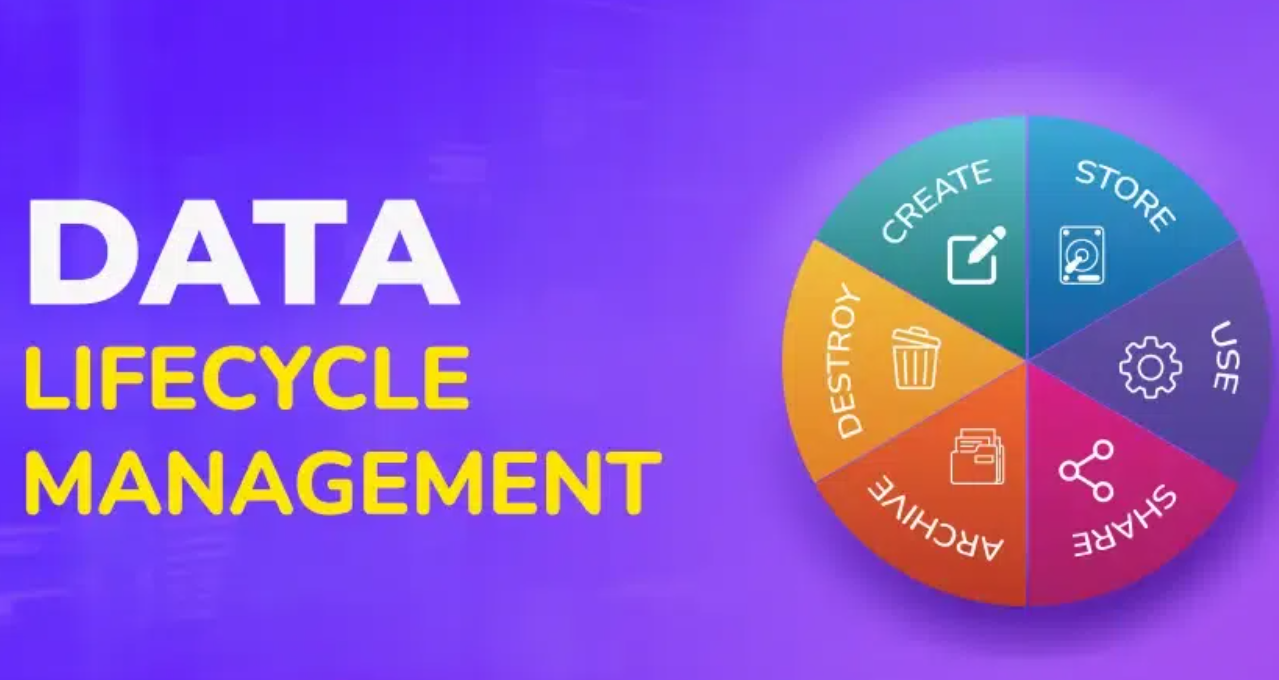
The Data Management Lifecycle (DML) is a structured approach to managing data throughout its entire lifespan. It includes several stages such as:
- Data Collection
- Data Processing
- Data Storage
- Data Usage
- Data Sharing
- Data Archiving
- Data Deletion
Each stage plays a crucial role in ensuring that data remains reliable, secure, and useful.
Importance of Data Management Lifecycle
Proper data lifecycle management provides several benefits:
1. Improved Data Quality
By managing data at every stage, organizations can eliminate duplicates, errors, and inconsistencies.
2. Enhanced Security
Sensitive data can be protected through encryption, access control, and monitoring.
3. Regulatory Compliance
Organizations must comply with laws like GDPR, HIPAA, or other local data regulations.
4. Better Decision-Making
High-quality, well-organized data enables accurate analytics and insights.
5. Cost Efficiency
Efficient storage and archiving reduce unnecessary data storage costs.
Stage 1: Data Collection
What is Data Collection?
Data collection is the first stage of the lifecycle, where raw data is gathered from various sources.
Sources of Data
- User input (forms, surveys)
- IoT devices
- Web applications
- Transaction systems
- Social media platforms
- APIs and third-party services
Best Practices for Data Collection
- Define clear objectives before collecting data
- Ensure data accuracy by validating inputs
- Minimize data redundancy
- Follow privacy regulations
- Use automated tools to collect large datasets efficiently
Challenges in Data Collection
- Inconsistent data formats
- Incomplete or missing data
- Data privacy concerns
- Data duplication
Stage 2: Data Processing
What is Data Processing?
Data processing involves transforming raw data into a usable format. This includes cleaning, organizing, and structuring data.
Key Activities
- Data cleaning (removing errors and duplicates)
- Data transformation (formatting and structuring)
- Data integration (combining multiple sources)
Tools for Data Processing
- ETL (Extract, Transform, Load) tools
- Data pipelines
- Scripting languages like Python
- Data processing frameworks like Apache Spark
Best Practices
- Automate repetitive tasks
- Use standardized formats
- Validate processed data
- Maintain data lineage for traceability
Stage 3: Data Storage
What is Data Storage?
Data storage refers to saving processed data in a secure and accessible location for future use.
Types of Data Storage
1. Structured Storage
- Relational databases (SQL)
- Data warehouses
2. Unstructured Storage
- Data lakes
- Cloud storage systems
3. Hybrid Storage
- Combines structured and unstructured data
Storage Options
- On-premise servers
- Cloud platforms (AWS, Google Cloud, Azure)
- Hybrid cloud solutions
Best Practices for Data Storage
- Use scalable storage solutions
- Implement backup and recovery systems
- Ensure data encryption
- Optimize storage costs
- Apply proper indexing for faster retrieval
Stage 4: Data Usage
What is Data Usage?
This stage involves using stored data for analysis, reporting, and decision-making.
Common Use Cases
- Business intelligence
- Predictive analytics
- Machine learning
- Customer insights
- Operational optimization
Best Practices
- Ensure data accessibility for authorized users
- Use dashboards and visualization tools
- Maintain data consistency
- Monitor data usage patterns
Stage 5: Data Sharing
What is Data Sharing?
Data sharing involves distributing data across teams, departments, or external partners.
Methods of Data Sharing
- APIs
- Data exports
- Cloud sharing platforms
- Internal dashboards
Risks in Data Sharing
- Data breaches
- Unauthorized access
- Data misuse
Best Practices
- Use role-based access control (RBAC)
- Encrypt data during transfer
- Monitor access logs
- Implement data governance policies
Stage 6: Data Archiving
What is Data Archiving?
Data archiving is the process of moving inactive data to long-term storage.
Benefits
- Reduces storage costs
- Improves system performance
- Maintains historical records
Archiving Strategies
- Automated archiving policies
- Tiered storage systems
- Compression techniques
Best Practices
- Define retention policies
- Ensure archived data is retrievable
- Maintain compliance with regulations
Stage 7: Data Deletion
What is Data Deletion?
Data deletion is the final stage, where data is permanently removed when no longer needed.
Types of Deletion
- Soft delete (recoverable)
- Hard delete (permanent)
Importance of Proper Deletion
- Protects sensitive information
- Ensures regulatory compliance
- Reduces storage costs
Best Practices
- Follow legal retention requirements
- Use secure deletion methods
- Maintain audit logs
- Automate deletion policies
Key Challenges in Data Management Lifecycle
Organizations often face several challenges:
1. Data Silos
Different departments storing data independently can lead to inefficiencies.
2. Data Security Threats
Cyberattacks and data breaches are major risks.
3. Scalability Issues
Managing growing volumes of data can be complex.
4. Compliance Complexity
Keeping up with evolving regulations is challenging.
5. Data Quality Issues
Poor data quality can lead to inaccurate insights.
Best Practices for Effective Data Lifecycle Management
To optimize the data lifecycle, organizations should adopt the following strategies:
1. Implement Data Governance
Define policies, roles, and standards for managing data.
2. Use Automation
Automate data collection, processing, and storage workflows.
3. Ensure Data Security
Apply encryption, authentication, and monitoring systems.
4. Maintain Data Quality
Regularly audit and clean data.
5. Adopt Scalable Infrastructure
Use cloud-based or hybrid solutions to handle data growth.
6. Monitor and Optimize
Continuously evaluate data processes and improve performance.
Tools and Technologies for Data Management
Here are some commonly used tools:
Data Collection Tools
- Google Forms
- APIs
- Web scraping tools
Data Processing Tools
- Apache Spark
- Talend
- Informatica
Data Storage Solutions
- Amazon S3
- Google BigQuery
- Microsoft Azure Storage
Data Visualization Tools
- Tableau
- Power BI
- Looker
Future Trends in Data Management Lifecycle
The future of data management is evolving rapidly with advancements in technology:
1. Artificial Intelligence Integration
AI will automate data processing and analysis.
2. Real-Time Data Processing
Organizations will increasingly rely on real-time insights.
3. Edge Computing
Data will be processed closer to the source.
4. Enhanced Data Privacy
Stronger regulations and privacy-focused technologies will emerge.
5. Data Fabric Architecture
Unified data management systems will improve accessibility and integration.
Conclusion
The Data Management Lifecycle is essential for organizations aiming to maximize the value of their data. From data collection to storage and eventual deletion, each stage requires careful planning, execution, and monitoring.
By implementing best practices, leveraging modern tools, and addressing challenges proactively, businesses can ensure that their data remains accurate, secure, and actionable. As data continues to grow exponentially, mastering the data lifecycle will become a critical factor in achieving long-term success.
Investing in a robust data management strategy is no longer optional—it is a necessity in the digital age.
FAQ
What is the main goal of the data management lifecycle?
The primary goal is to ensure data is accurate, secure, and usable throughout its lifecycle.
Why is data storage important?
Data storage ensures that processed data is محفوظ and accessible for future use.
How can organizations improve data quality?
By implementing validation, cleaning processes, and regular audits.
What is the difference between data archiving and storage?
Storage is for active data, while archiving is for inactive data kept for long-term purposes.