In today’s digital landscape, data has become one of the most valuable assets for organizations of all sizes. From small startups to global enterprises, the ability to efficiently manage, process, and utilize data directly impacts business performance, decision-making, and competitiveness. However, as data volumes grow exponentially, many organizations struggle with inefficient data management processes that lead to slow performance, increased costs, and missed opportunities.
Optimizing data management processes is no longer optional—it is essential. Businesses that invest in improving how they collect, store, process, and analyze data can unlock faster insights, enhance operational efficiency, and gain a significant competitive advantage.
This article provides a comprehensive, SEO-friendly guide on how to optimize data management processes for better performance. Whether you are a data engineer, IT manager, or business leader, these strategies will help you build a more efficient and scalable data ecosystem.
Understanding Data Management Processes
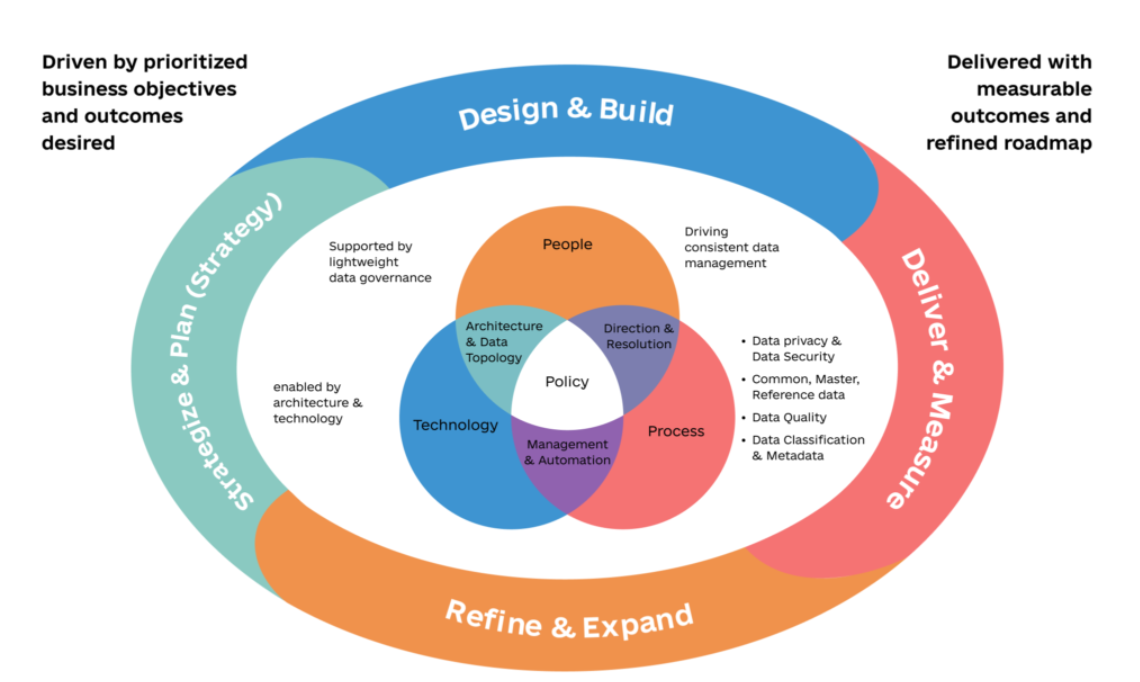
Before diving into optimization strategies, it is important to understand what data management processes involve. Data management refers to the collection, storage, organization, protection, and usage of data throughout its lifecycle.
Key components include:
- Data collection and ingestion
- Data storage and warehousing
- Data processing and transformation
- Data governance and security
- Data analysis and reporting
When any of these components are inefficient, the entire system suffers. For example, slow data ingestion can delay analytics, while poor storage design can lead to performance bottlenecks.
Why Data Management Optimization Matters
Optimizing data management processes delivers several critical benefits:
1. Improved Performance
Efficient systems process data faster, enabling real-time analytics and quicker decision-making.
2. Reduced Costs
Optimized storage and processing reduce infrastructure and operational expenses.
3. Better Data Quality
Clean and well-managed data leads to more accurate insights.
4. Scalability
Optimized systems can handle increasing data volumes without performance degradation.
5. Enhanced Security and Compliance
Proper governance ensures data protection and regulatory compliance.
Common Challenges in Data Management
Organizations often face several obstacles when managing data:
- Data silos across departments
- Inefficient ETL (Extract, Transform, Load) pipelines
- Poor data quality and duplication
- Lack of real-time processing capabilities
- Inadequate data governance frameworks
- Legacy systems that cannot scale
Recognizing these challenges is the first step toward optimization.
Strategies to Optimize Data Management Processes
1. Implement a Modern Data Architecture
A modern data architecture is the foundation of efficient data management. Traditional systems often struggle with large-scale data processing, making it necessary to adopt more flexible and scalable solutions.
Key approaches include:
- Data lakes for storing raw data
- Data warehouses for structured analytics
- Hybrid architectures combining both
- Cloud-based platforms for scalability
Cloud solutions provide elasticity, allowing organizations to scale resources up or down based on demand.
2. Optimize Data Storage
Efficient data storage plays a crucial role in performance optimization. Poor storage design can slow down queries and increase costs.
Best practices include:
- Use columnar storage for analytical workloads
- Compress data to reduce storage size
- Partition data for faster querying
- Archive unused data to reduce load
Proper indexing also improves query performance significantly.
3. Streamline Data Integration (ETL/ELT)
Data integration processes are often a major bottleneck. Optimizing ETL or ELT pipelines ensures faster data flow and better performance.
Tips for optimization:
- Use parallel processing to handle large datasets
- Minimize data movement across systems
- Automate pipeline workflows
- Monitor and optimize transformation logic
Switching from ETL to ELT (loading data first, then transforming it) can improve efficiency in modern cloud environments.
4. Ensure High Data Quality
Data quality directly impacts performance and decision-making. Poor-quality data leads to inaccurate analytics and wasted resources.
Steps to improve data quality:
- Implement validation rules
- Remove duplicates and inconsistencies
- Standardize data formats
- Use automated data cleansing tools
Regular audits help maintain high data quality over time.
5. Leverage Automation and AI
Automation reduces manual effort and increases efficiency. Artificial intelligence can further enhance data management by identifying patterns and optimizing processes.
Examples include:
- Automated data pipeline monitoring
- AI-driven anomaly detection
- Smart data classification
- Predictive maintenance for data systems
Automation ensures consistency and reduces human error.
6. Improve Data Governance
Data governance ensures that data is managed properly across the organization. Without governance, data can become inconsistent and insecure.
Key governance practices:
- Define clear data ownership
- Establish data access policies
- Implement data lineage tracking
- Ensure compliance with regulations
A strong governance framework improves both performance and trust in data.
7. Use Real-Time Data Processing
Traditional batch processing is no longer sufficient for many use cases. Real-time data processing allows organizations to react instantly to new information.
Benefits include:
- Faster decision-making
- Improved customer experiences
- Better operational efficiency
Technologies such as streaming platforms enable real-time analytics and insights.
8. Monitor and Optimize Performance Continuously
Optimization is not a one-time effort. Continuous monitoring ensures that systems perform efficiently over time.
Important metrics to track:
- Query response times
- Data pipeline latency
- Storage utilization
- System uptime
Use monitoring tools to identify bottlenecks and implement improvements proactively.
9. Enhance Data Security
Security is a critical aspect of data management. A breach can lead to significant financial and reputational damage.
Best practices include:
- Encrypt data at rest and in transit
- Use role-based access control
- Implement regular security audits
- Monitor for suspicious activities
Secure systems not only protect data but also improve overall reliability.
10. Optimize Database Performance
Databases are at the core of data management. Optimizing database performance can significantly improve overall system efficiency.
Key techniques:
- Index optimization
- Query optimization
- Database normalization
- Load balancing
Regular performance tuning ensures that databases handle workloads efficiently.
The Role of Cloud Computing in Data Optimization
Cloud computing has revolutionized data management. It provides scalable infrastructure, advanced tools, and cost-efficient solutions.
Advantages of cloud-based data management:
- On-demand scalability
- Reduced infrastructure costs
- Built-in security features
- Easy integration with analytics tools
Organizations can leverage cloud platforms to optimize their data processes without heavy upfront investments.
Best Practices for Long-Term Optimization
To maintain optimized data management processes, organizations should adopt long-term best practices:
- Regularly review and update data strategies
- Invest in employee training
- Adopt new technologies when necessary
- Foster a data-driven culture
- Collaborate across departments
Continuous improvement is key to staying competitive in a data-driven world.
Future Trends in Data Management Optimization
As technology evolves, new trends are shaping the future of data management:
1. Data Fabric
A unified architecture that integrates data across multiple environments.
2. Data Mesh
Decentralized data ownership for improved scalability and flexibility.
3. AI-Driven Data Management
Advanced automation powered by machine learning.
4. Edge Computing
Processing data closer to the source for faster performance.
Staying ahead of these trends helps organizations remain competitive and innovative.
Conclusion
Optimizing data management processes is essential for achieving better performance in today’s data-driven environment. By implementing modern architectures, improving data quality, leveraging automation, and continuously monitoring performance, organizations can unlock the full potential of their data.
The journey toward optimized data management requires strategic planning, the right tools, and a commitment to continuous improvement. However, the benefits—faster insights, reduced costs, and enhanced decision-making—make it a worthwhile investment.
Start by evaluating your current data processes, identifying bottlenecks, and applying the strategies outlined in this guide. With the right approach, you can transform your data management system into a powerful engine for growth and success.
FAQ: Data Management Optimization
What is data management optimization?
It is the process of improving how data is collected, stored, processed, and used to enhance performance and efficiency.
Why is it important?
It improves speed, reduces costs, and ensures better decision-making.
What tools can help optimize data management?
Tools for data integration, storage, analytics, and monitoring can significantly improve performance.
How often should data processes be optimized?
Optimization should be continuous, with regular monitoring and updates.